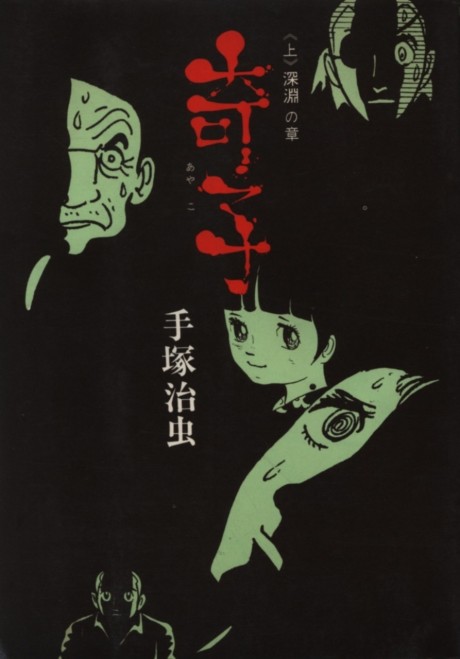
Ayako
Opening a few years after the end of World War II and covering almost a quarter-century, here is comics master Osamu Tezuka’s most direct and sustained critique of Japan’s fate in the aftermath of total defeat. Unusually devoid of cartoon premises yet shot through with dark voyeuristic humor, Ayako looms as a pinnacle of Naturalist literature in Japan with few peers even in prose, the striking heroine a potent emblem of things left unseen following the war. The year is 1949. Crushed by the Allied Powers, occupied by General MacArthur’s armies, Japan has been experiencing massive change. Agricultural reform is dissolving large estates and redistributing plots to tenant farmers—terrible news, if you’re landowners like the archconservative Tenge family. For patriarch Sakuemon, the chagrin of one of his sons coming home alive from a P.O.W. camp instead of having died for the Emperor is topped only by the revelation that another of his is consorting with “the reds.” What solace does he have but his youngest Ayako, apple of his eye, at once daughter and granddaughter? (Source: Kodansha USA)
Why this rank?
The series score blends every entry below, weighted by vote volume — see the full methodology. Each entry's page breaks its own score down per source.
| Entry | Score | Sources | Votes (weight) |
|---|---|---|---|
| Ayako | 7.43 | 3 | 10,318 |
Parts, ranked
Every entry of this series by aggregate score — the sub-ranking inside the ranking.
More manga like this
Related series, ranked by Rankeo's aggregate score.